Company Wellness Fair: Making Benefits Real for the Employees of a Benefits Business


SERVICES DELIVERED
CONTEXT
A UK employee benefits provider came to Stacked Events with an internal problem at its core. Their employees had access to a wide range of benefits but weren't fully engaging with them. The brief was to create an event that would connect employees directly with the suppliers behind those benefits — giving them a hands-on way to explore what was on offer. The format needed to work for both education and experience: part exhibition, part workshop programme.
Employee benefits are often abstract. They exist as PDFs, intranet pages, and onboarding slides. The gap between a benefit being available and an employee actually using it is partly awareness and partly conviction. An event for an employee benefits business has to close both.
The supplier dynamic added complexity. Each exhibitor needed space to have genuine conversations with employees — not just hand out leaflets. That required an exhibition format where stands felt open and worth approaching. The pace of the event needed to allow for real interaction, not a quick walk-through.
The workshop programme ran alongside the exhibition and carried its own challenge. Wellness topics — mental health, nutrition, physical fitness, work-life balance — are areas where employees quickly disengage if the content feels generic. Sessions had to be expert-led and substantive, not repackaged advice employees had already seen and discounted.
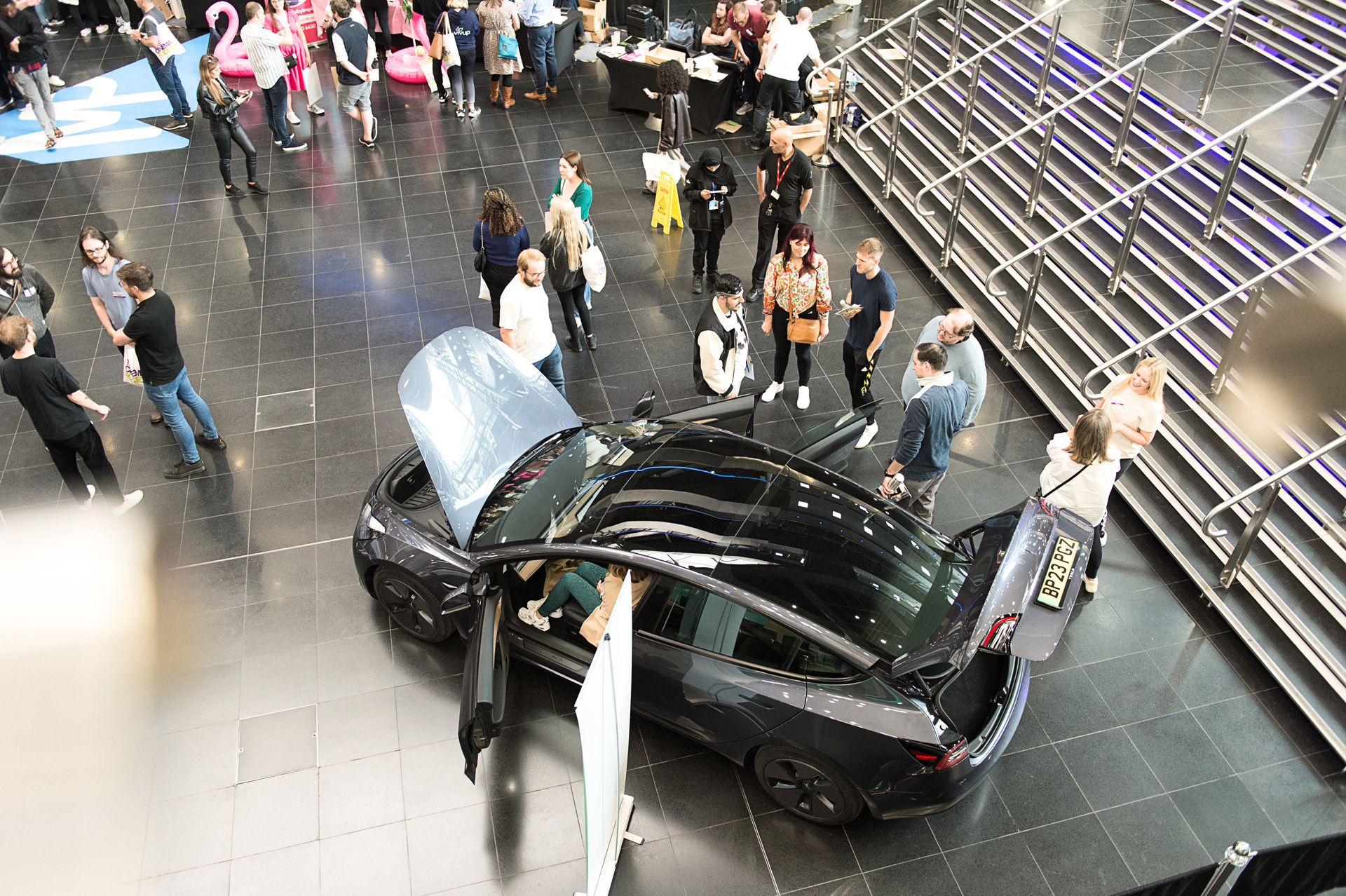

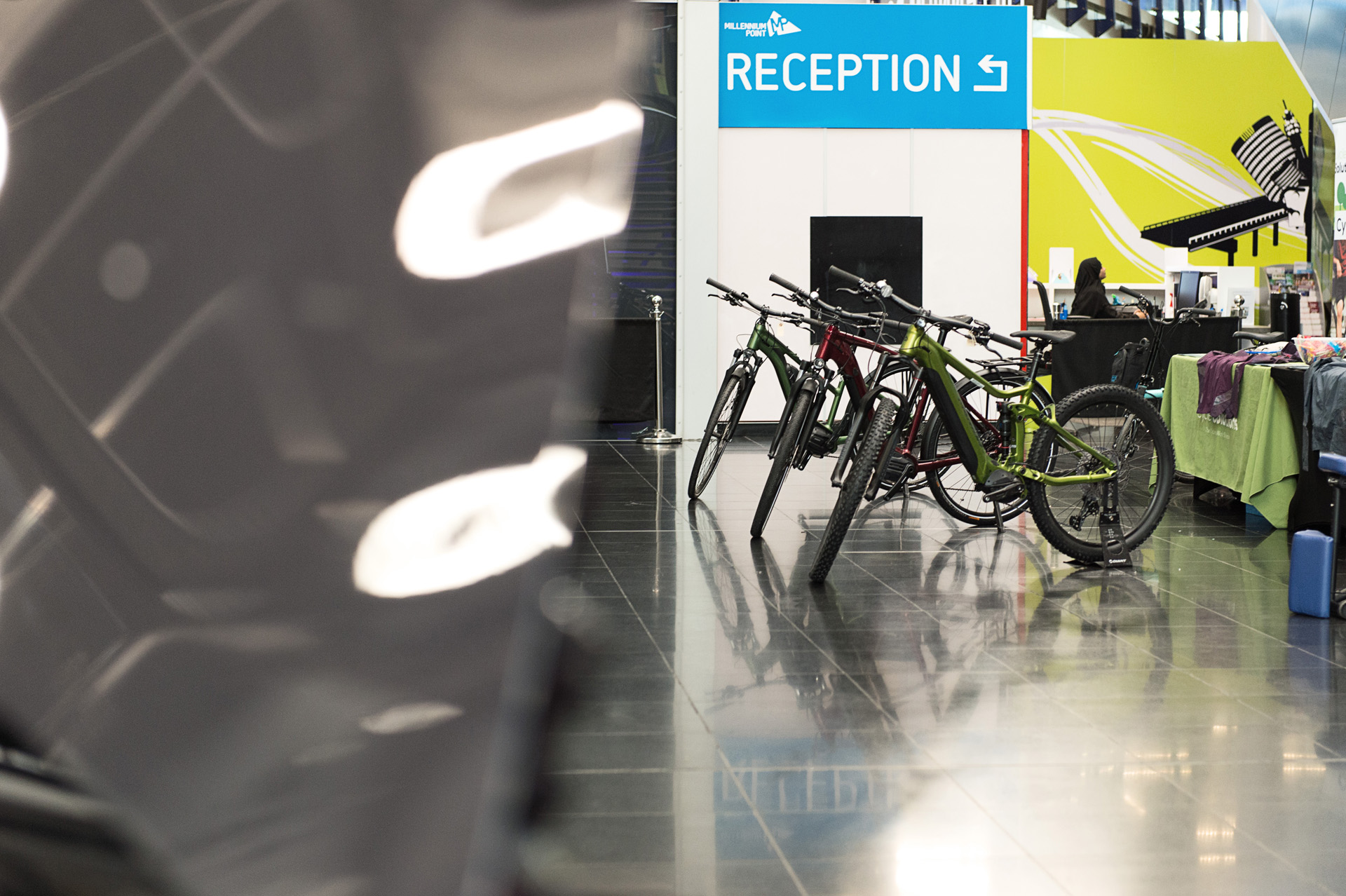
Stacked Events structured the event around two distinct but complementary modes: exploration and depth. The exhibition floor gave employees direct access to suppliers — including EV showcases and electric bikes alongside wellness service providers. Each stand was set up to facilitate discussion, not just display.
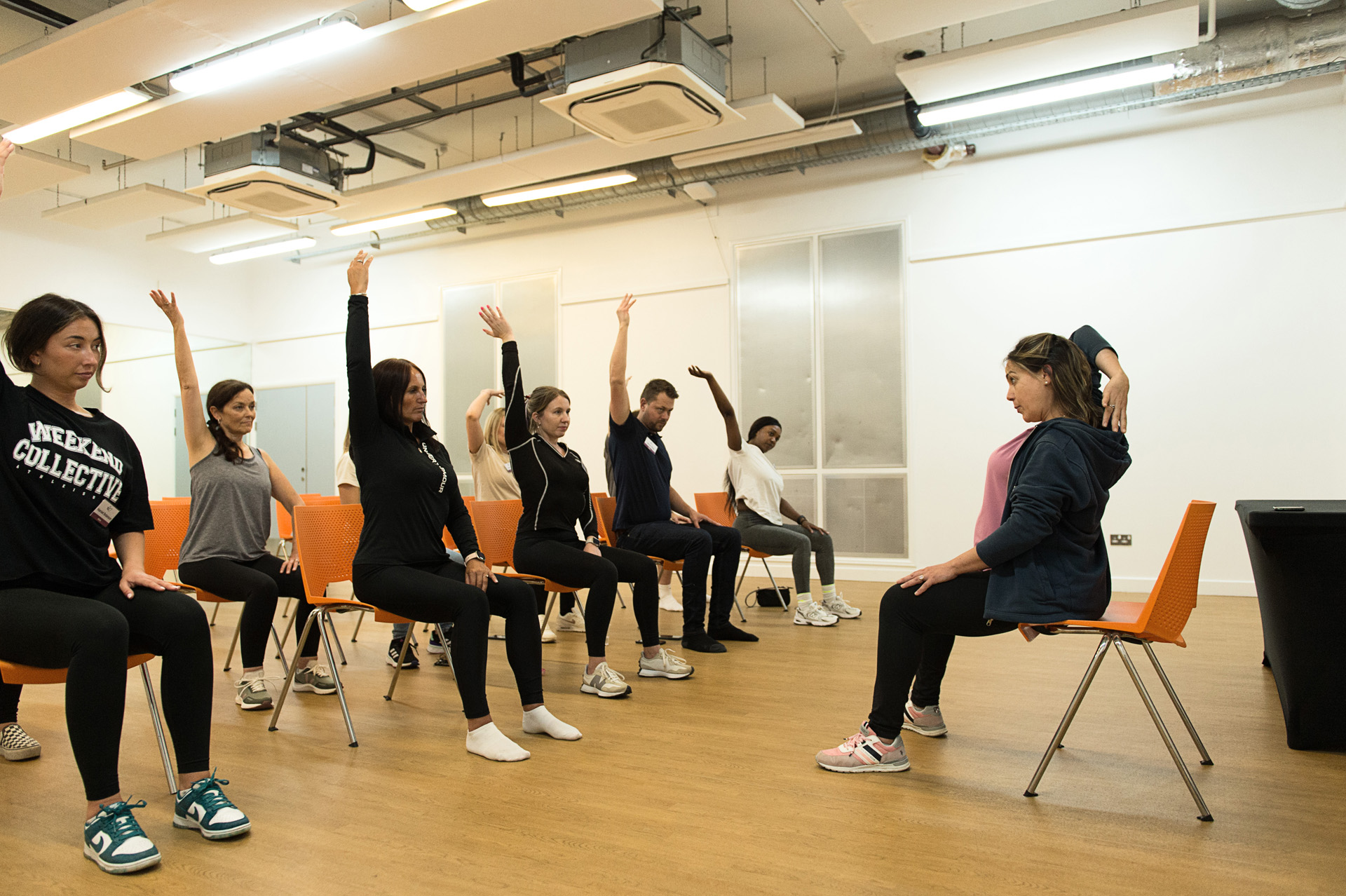
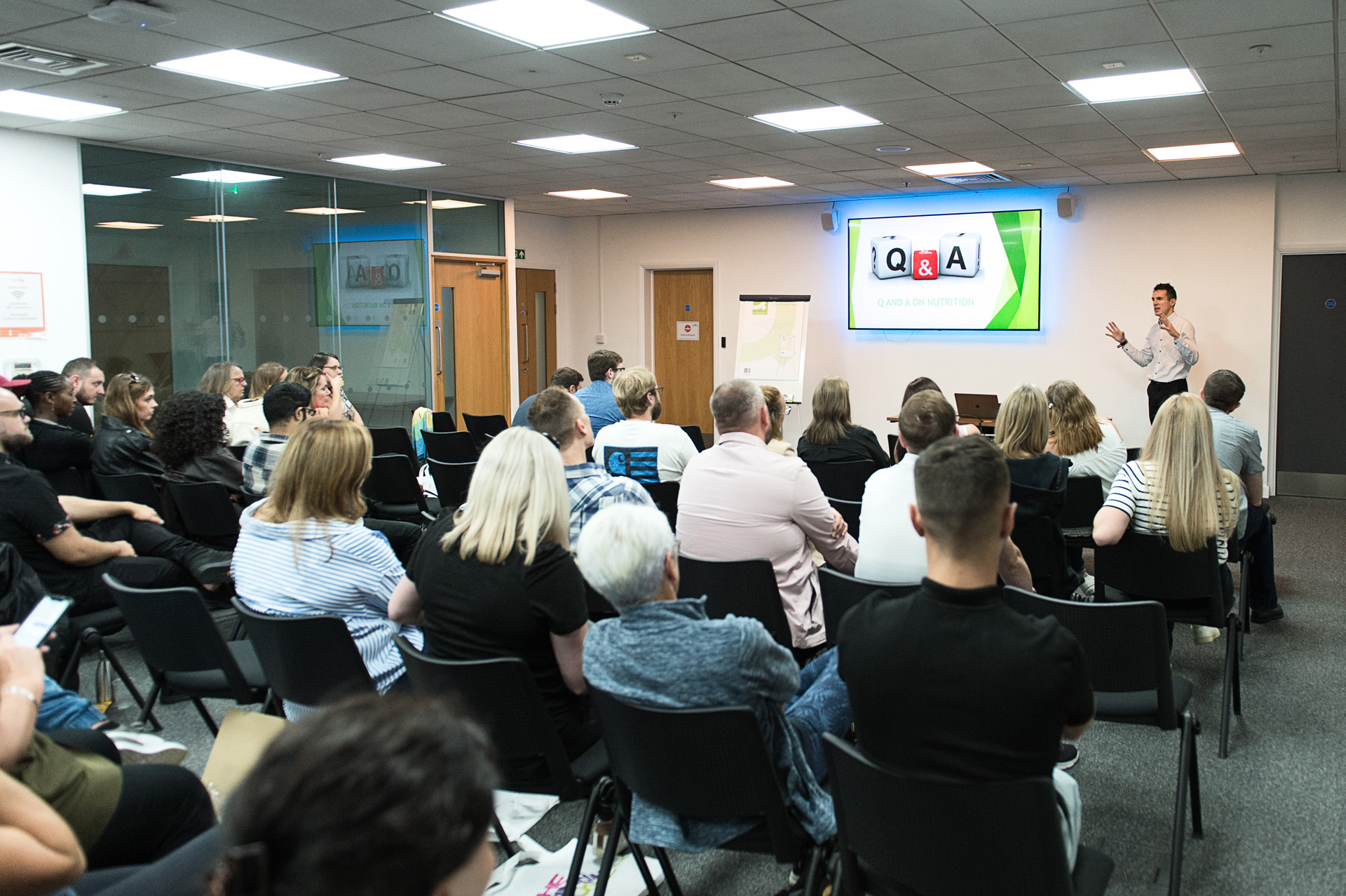
Breakout rooms ran in parallel, hosting workshops and talks across mental health, nutrition, physical fitness, and work-life balance. Expert facilitators led sessions including yoga and meditation, alongside discussion-based workshops on well-being at and beyond work. The parallel structure meant employees could move between exhibition and workshops at their own pace, rather than being channelled through a fixed programme.
The supplier mix was deliberately broad. Putting tangible, physical products — electric vehicles, bikes — alongside wellness and mental health providers created a range that appealed across different employee interests and roles. This kept footfall moving through the full exhibition rather than concentrating around a handful of familiar stands.
Employees engaged directly with the suppliers behind their benefits — through live demonstrations, one-to-one conversations at exhibition stands, and hands-on workshop participation. The format made the benefits offer visible and interactive rather than documentary.
For a business whose core product is employee benefits, the event turned the offer from something employees were aware of into something they had physically experienced.

Incredibly well executed. It had a real impact on our team.

IF THIS FEELS RELEVANT
Planning an employee wellness event or internal benefits fair?
Stacked Events designs workplace wellness events and supplier exhibitions that give employees a reason to engage with what's already available to them. Tell us about your brief and we'll come back to you within 24 hours.